
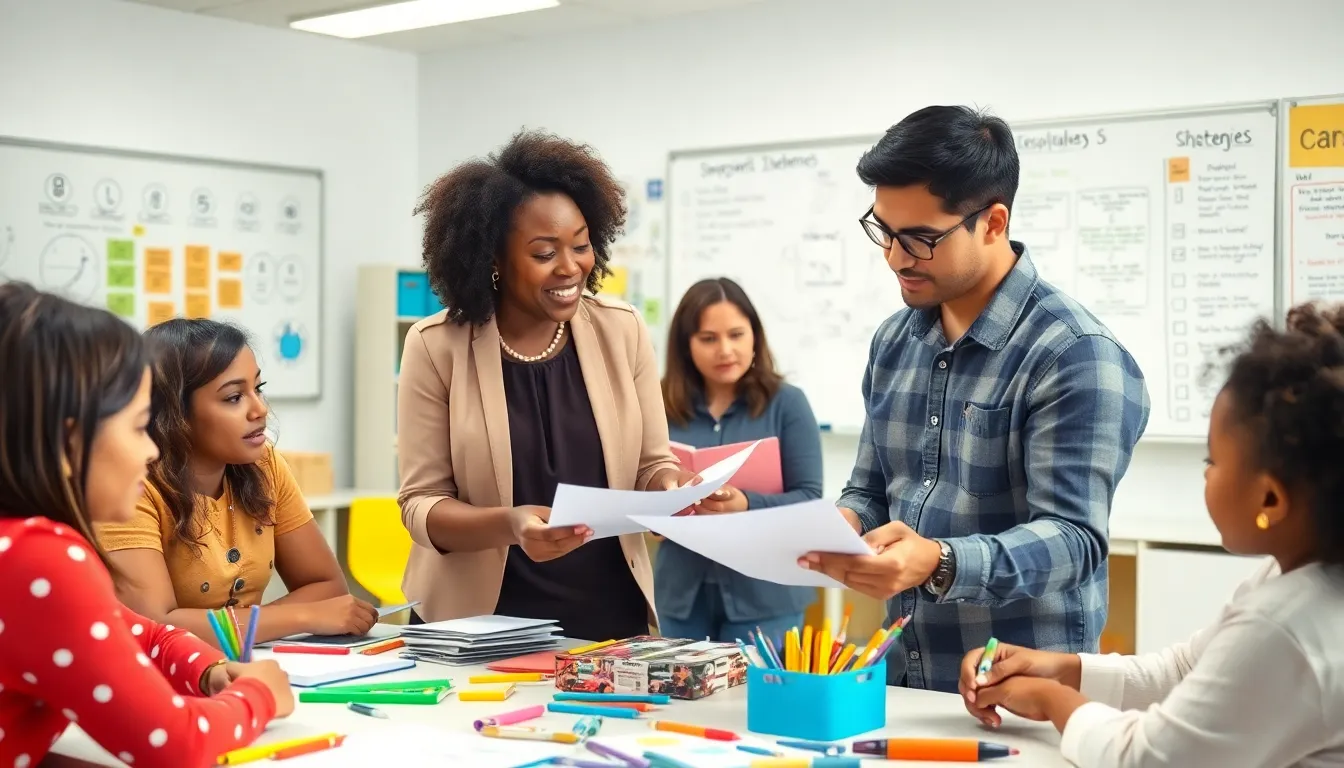
In a world where every child deserves a chance to shine, special educators are the unsung heroes making magic happen behind the scenes. These dedicated professionals don’t just teach; they transform lives, turning challenges into triumphs with a sprinkle of patience and a dash of creativity. Think of them as educational wizards, equipped with strategies that help every student find their unique spark.
But let’s face it, special educators are like the Swiss Army knives of the classroom—versatile, resourceful, and always ready to tackle whatever comes their way. Whether it’s developing personalized learning plans or fostering an inclusive environment, they play a pivotal role in ensuring that no child is left behind. Dive into the world of special education and discover how these remarkable individuals are shaping futures, one lesson at a time.
Overview of Special Education
Special education involves tailored instruction designed to meet the needs of students with disabilities. This approach ensures that every learner experiences equitable access to education. Diverse challenges, such as developmental delays, learning disabilities, or emotional disturbances, prompt educational institutions to implement specialized strategies.
Customized teaching methods and individualized education programs (IEPs) define special education. IEPs detail specific learning goals and outline the support necessary for each student. Collaboration among teachers, parents, and specialists enhances the effectiveness of these plans.
Various instructional strategies exist within special education. Co-teaching models allow special educators to work alongside general educators, facilitating inclusivity in classrooms. Resource rooms offer targeted support while maintaining a connection to the general education environment.
Assistive technology plays a significant role in special education. Tools like speech-to-text software and adaptive communication devices help students overcome barriers to learning. These innovations enable students to engage with the curriculum effectively.
Assessment methods in special education require careful consideration. Evaluations must account for each student’s unique capabilities and learning style. Continuous progress monitoring ensures that educational strategies remain aligned with students’ evolving needs.
Legislation supports special education, with laws like the Individuals with Disabilities Education Act (IDEA) ensuring students receive appropriate services. Advocacy efforts continue to emphasize the importance of inclusivity in education.
In essence, special education constitutes a vital component of the educational system. It promotes individualized support and inclusivity, ensuring that all students can thrive in their learning environments.
Importance of Special Educators
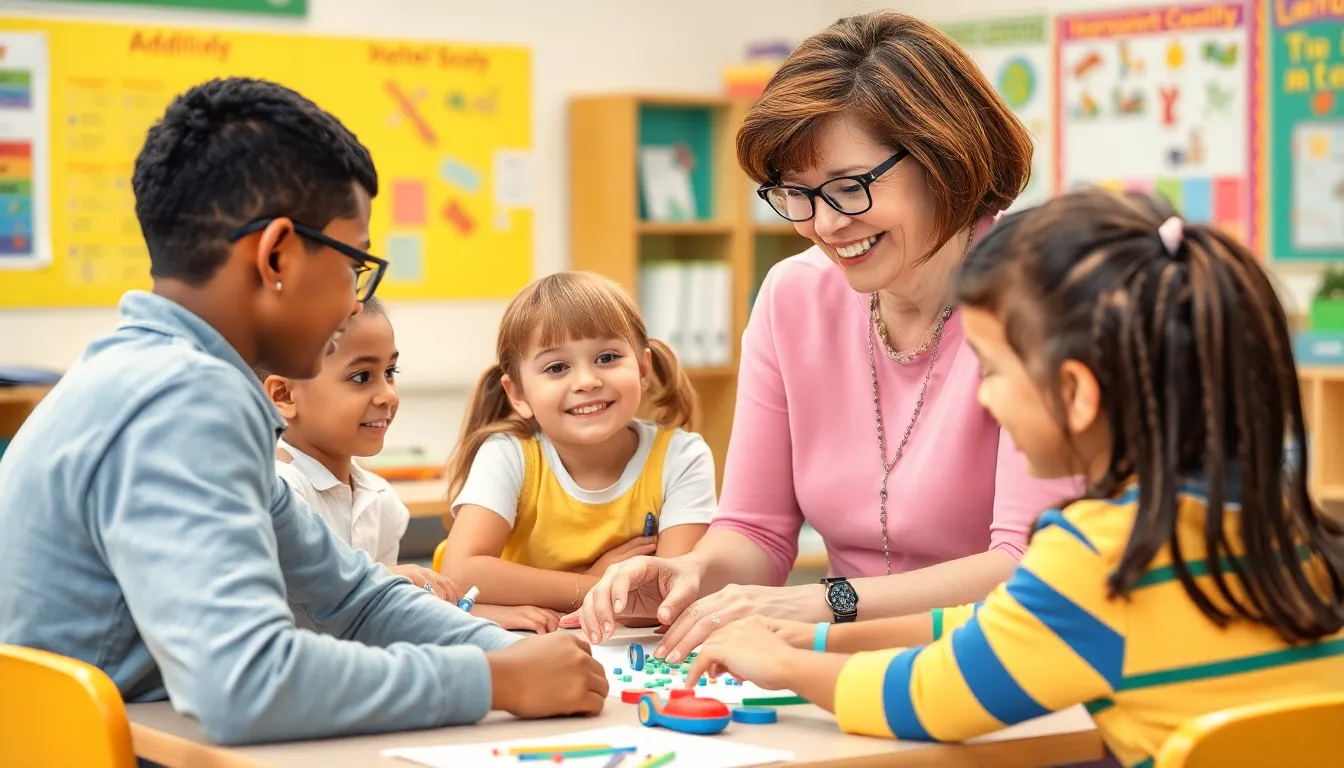
Special educators play a crucial role in optimizing learning for students with diverse needs. Their expertise ensures that every learner receives the support they require to thrive academically and socially.
Supporting Diverse Learners
Supporting diverse learners is a primary responsibility of special educators. They assess individual strengths and challenges, tailoring instructional strategies to meet each student’s unique needs. Collaboration with general education teachers allows them to integrate specialized techniques within the classroom. Additionally, special educators utilize adaptive tools and resources to enhance learning experiences, maximizing engagement and comprehension. This approach fosters confidence in students by providing them with skill-appropriate challenges.
Promoting Inclusion in Classrooms
Promoting inclusion in classrooms significantly enhances the educational experience for all students. Special educators foster inclusive environments by encouraging collaboration among peers. They implement co-teaching models, ensuring that students with disabilities participate alongside their peers. Training sessions for general education teachers equip them with strategies to support diverse learners effectively. Successful inclusion not only benefits students with disabilities but also enriches the classroom environment, creating a culture of acceptance and respect. Engaging all students in activities cultivates a sense of belonging, ensuring everyone thrives in a shared learning space.
Key Responsibilities of Special Educators
Special educators play an essential role in supporting students with unique challenges. They ensure tailored educational experiences through various responsibilities.
Individualized Education Plans (IEPs)
Creating Individualized Education Plans is a primary responsibility of special educators. IEPs detail specific educational goals and objectives customized for each student. These documents outline necessary accommodations and modifications to facilitate optimal learning paths. Regular assessments and progress monitoring ensure that adjustments meet evolving needs. Communication among stakeholders is critical, including teachers, parents, and specialists, to guarantee each student’s success.
Collaborating with Families and Professionals
Collaboration with families and professionals is vital to the role of special educators. Engaging parents in the educational process fosters positive outcomes and a shared understanding of goals. Regular meetings and updates keep families informed about progress and challenges. Working alongside general educators and specialists enhances instructional strategies. This teamwork cultivates a supportive network that benefits students’ learning experiences. Special educators often serve as facilitators in this collaboration, ensuring cohesive and effective support systems.
Challenges Faced by Special Educators
Special educators encounter various challenges that can impact their effectiveness in supporting students. Resource constraints often hinder their ability to implement tailored educational programs.
Resource Limitations
Limited access to funding affects the resources available to special educators. Insufficient materials like adaptive technology or specialized training tools restrict instruction quality. Class sizes may exceed ideal student-to-teacher ratios, complicating personal attention. Budget cuts often decrease support staff, increasing workloads for special educators. Delays in acquiring necessary resources can hinder timely intervention for students.
Emotional and Mental Health Considerations
Special educators frequently address the emotional and mental health needs of their students. Students with disabilities may experience anxiety, frustration, or social isolation, creating additional challenges. Understanding these complexities requires sensitivity and strong communication skills. Regular emotional support and counseling can enhance student well-being. Professional burnout among special educators may result from the emotional demands of their roles, ultimately impacting their effectiveness.
The impact of special educators extends far beyond the classroom. Their commitment to fostering an inclusive environment empowers students with unique challenges to reach their full potential. By crafting personalized learning plans and collaborating with families and professionals, they create a supportive network that enhances educational experiences.
Despite facing significant challenges like resource limitations and high student-to-teacher ratios, special educators remain dedicated to their mission. Their role is crucial in promoting acceptance and respect among peers, ensuring that every child has the opportunity to thrive academically and socially. The work of special educators not only transforms individual lives but also enriches the educational landscape as a whole.