

Dyslexia can feel like a mischievous gremlin playing tricks with letters and words. But fear not! With the right support, those pesky letters can be tamed, and reading can transform from a daunting task into an exciting adventure. Dyslexia support is more than just a lifeline; it’s a powerful toolkit packed with strategies, resources, and a sprinkle of humor to lighten the load.
Imagine navigating the world of words with confidence instead of confusion. From specialized tutoring to innovative technology, there’s a wealth of options available to help individuals thrive. This article dives into the essential dyslexia support strategies that can turn challenges into triumphs, proving that with the right help, anyone can become a word wizard.
Understanding Dyslexia
Dyslexia affects reading ability and processing language effectively. Individuals with dyslexia encounter unique challenges but can thrive with appropriate support.
What Is Dyslexia?
Dyslexia is a specific learning disorder characterized by difficulties with accurate and/or fluent word recognition. It often involves poor spelling and decoding abilities. A linguistic-based deficit typically underlies dyslexia, which is not indicative of overall intelligence. Many individuals possess average or above-average intelligence while struggling with reading tasks. Early identification and intervention lead to more favorable outcomes, allowing individuals to develop effective coping strategies.
Common Characteristics of Dyslexia
Common characteristics of dyslexia include difficulty recognizing words quickly and challenges with phonological processing. Many individuals may struggle to connect letters with sounds, impacting their reading fluency. Confusing similar-looking letters, such as ‘b’ and ‘d’, frequently occurs. Furthermore, individuals may exhibit issues with spelling, leading to inconsistent writing abilities. Delayed language development often appears, making it hard for some to articulate thoughts or express ideas clearly. Overall, these traits significantly influence reading experiences, but support can help manage these challenges effectively.
Importance of Dyslexia Support
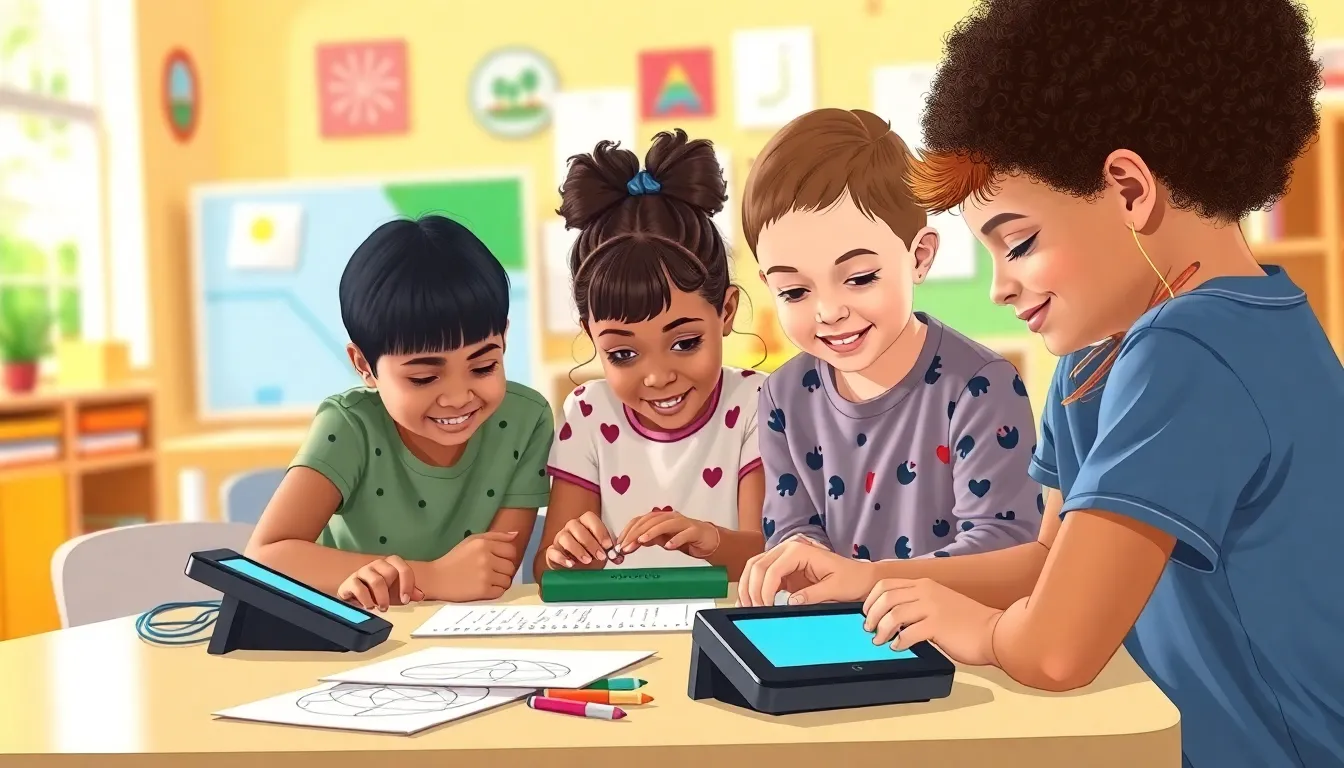
Dyslexia support plays a vital role in helping individuals navigate their unique challenges. Effective interventions can significantly enhance learning outcomes and overall well-being.
Impact on Learning
Support for dyslexia directly affects academic success. Specialized tutoring enhances reading skills, leading to improved comprehension. Early intervention provides essential tools that foster independence in reading and writing. Assistive technologies, like text-to-speech software, empower students to access information more easily. Classroom accommodations, such as extra time on tests, provide a level playing field. All these strategies collectively promote a deeper engagement with educational material.
Emotional and Social Implications
Dyslexia can significantly impact a person’s emotional health and social interactions. Frustration often accompanies challenges in learning, leading to decreased self-esteem. Targeted support offers encouragement, allowing individuals to build confidence through successful learning experiences. Social skills develop as students engage in group activities that promote teamwork. Assistance from peers and educators fosters a sense of belonging, reducing feelings of isolation. Overall, support nurtures resilience and enhances social connections.
Types of Dyslexia Support
Dyslexia support encompasses various approaches tailored to meet individual needs. Options include educational strategies, technological tools, and professional assistance.
Educational Strategies
Structured literacy programs enhance reading skills. These programs focus on phonics, syntax, and vocabulary, making learning systematic. Hands-on learning experience benefits individuals with dyslexia. Techniques like multisensory instruction engage different senses, aiding comprehension. Furthermore, personalized reading plans target specific challenges, fostering better academic outcomes.
Technological Tools
Assistive technology plays a significant role in dyslexia support. Text-to-speech software converts written text to spoken words, improving accessibility. In addition, speech-to-text applications help with writing tasks, promoting easier communication. Digital resources such as audiobooks supply alternative ways to consume literature. These tools enhance understanding, making learning more enjoyable.
Professional Assistance
Professional support enhances overall development. Certified tutors provide specialized instruction tailored to individual learning styles. Educational therapists assess unique needs, offering targeted strategies. School psychologists facilitate support plans, ensuring accommodations align with student’s requirements. Collaborating with professionals creates a comprehensive support network, improving outcomes for individuals with dyslexia.
Building a Supportive Environment
Creating a supportive environment plays a crucial role in helping individuals with dyslexia succeed. This supportive framework encompasses various strategies that foster understanding and growth.
Role of Parents and Caregivers
Parents and caregivers significantly influence the success of individuals with dyslexia. They create home environments that encourage reading through engaging materials. They also promote open discussions about difficulties faced, fostering a sense of belonging. Developing routines around homework or reading time can instill discipline. Advocating for appropriate support in schools ensures that educational needs are met. Participation in support groups provides additional resources and a network of shared experiences. Consistent reinforcement and encouragement bolster self-esteem, guiding individuals toward achievement.
Collaboration with Educators
Educators play an essential part in supporting students with dyslexia. They implement tailored teaching strategies that address unique learning styles. Collaboration between parents and teachers fosters a shared understanding of goals and challenges. Regular communication helps track progress and adjust methods as necessary. Ongoing training for educators on dyslexia awareness enhances classroom effectiveness. Utilizing assistive technologies in lessons can also improve engagement. Establishing a positive classroom atmosphere encourages risk-taking and resilience in learning. Ultimately, a united approach between educators and families benefits students significantly.
Dyslexia support plays a crucial role in empowering individuals to navigate their reading challenges. With the right resources and strategies in place, they can transform their learning experiences and build confidence. Specialized tutoring and assistive technologies are essential tools that facilitate progress and foster a love for reading.
Creating a supportive environment at home and in the classroom enhances this journey, encouraging open communication and collaboration between parents and educators. By prioritizing early intervention and tailored support, it’s possible to nurture resilience and promote academic success. Ultimately, understanding and addressing the unique needs of individuals with dyslexia can lead to a brighter future filled with opportunities.